
The Sleeping Pad
Please note: Some of these links are affiliate links, where I get a small percentage of the sale, which is at no extra cost to you. By using these links, it goes a long way in supporting this project. Thanks very much!
Sleeping Pad
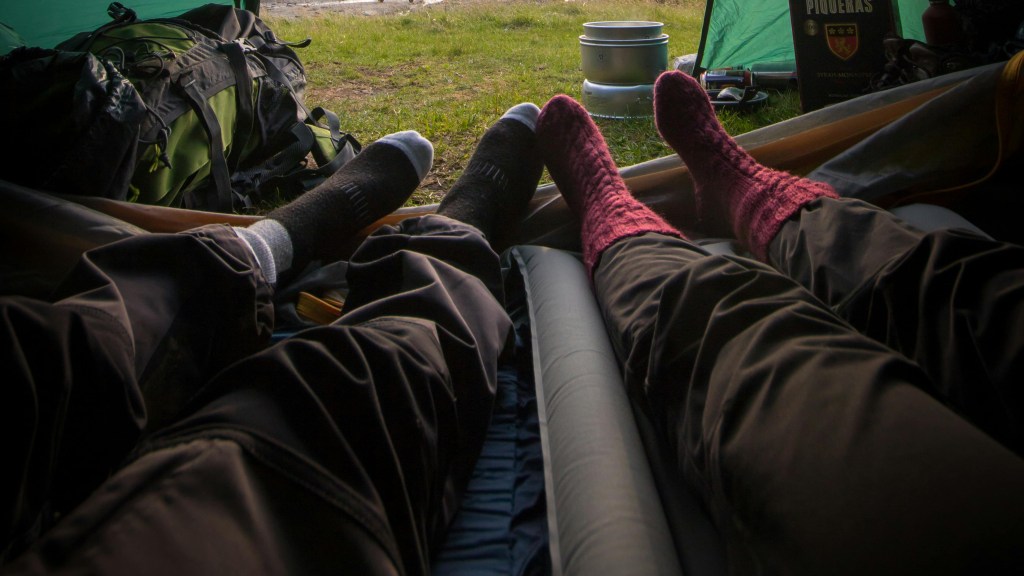
A good sleeping pad is essential for a successful hike on Te Araroa. You’ll be sleeping in huts, tents, or directly on the ground—and the right pad will make all the difference in warmth, comfort, and rest. Read below everything you need to know to choose the best sleeping pad for your thru-hike across New Zealand.

Therm-a-Rest NeoAir XLite NXT Sleeping Mat
$199.95 USD
Price
Warmth
Weight
Weighing just 370 g, the NeoAir XLite NXT delivers a remarkable R-Value of 4.5 for year-round comfort. Its Triangular Core Matrix™ construction minimises heat loss and provides stable support, while the 7.6 cm thickness ensures plush comfort. The WingLock™ valve allows fast inflation and deflation, and it packs down exceptionally small—perfect for ultralight hikers in any season.
Sea to Summit UltraLight™ Insulated Sleeping Mat
$249.00 NZD
Price
Warmth
Weight
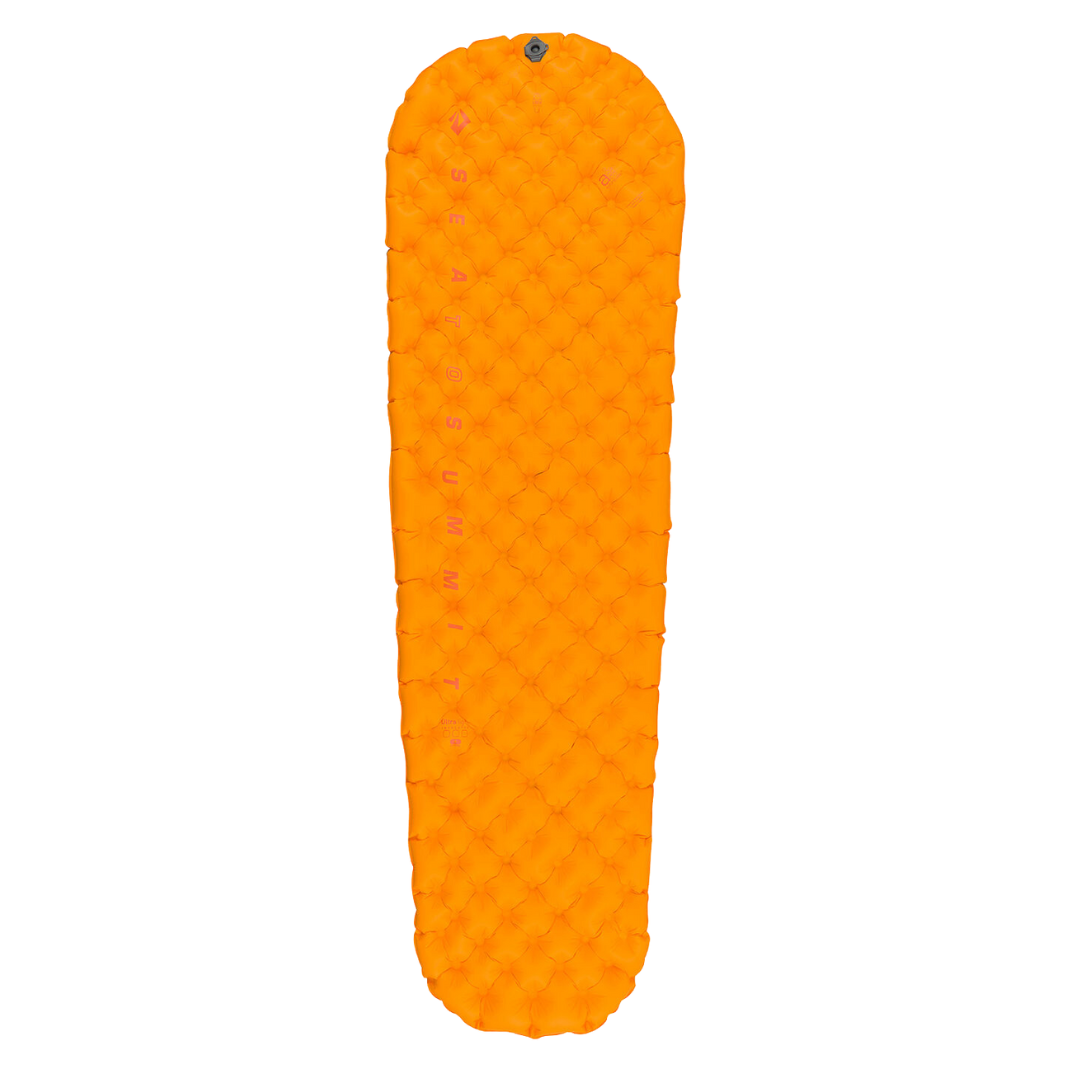
At 480 g, the UltraLight Insulated is designed for minimal pack size and reliable warmth. Its Air Sprung Cells™ conform to your body for better comfort, while Thermolite® insulation and an Exkin Platinum® layer reflect heat back to you. With an R-Value of 3.1, it’s ideal for three-season trips and features a multi-function valve for quick inflation and deflation.
Macpac ThermAir Ultralight Sleeping Mat
NZ$224.99
Price
Warmth
Weight
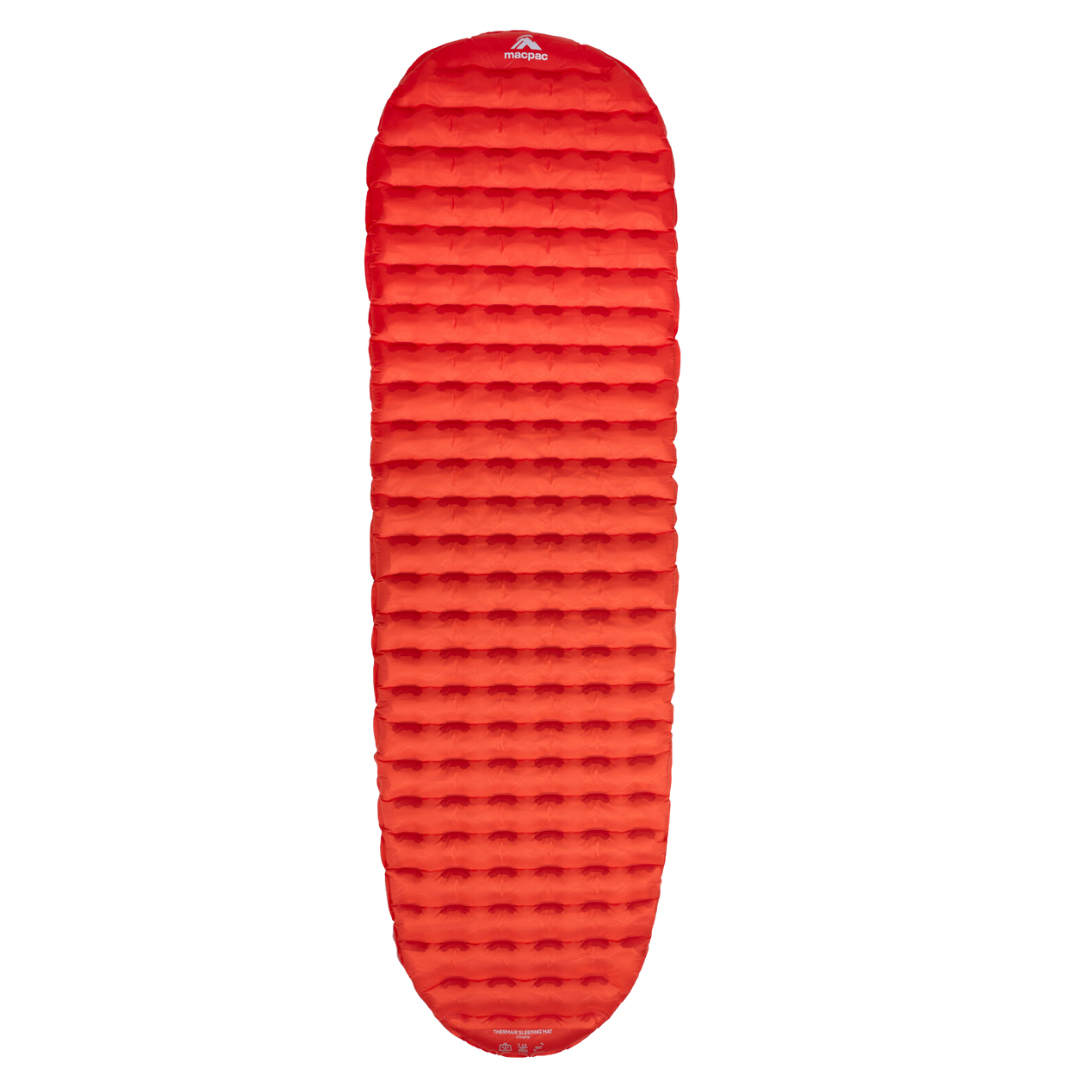
Weighing just 440 g, the Macpac ThermAir Ultralight is a great balance of comfort and packability for lightweight adventures. Its air-sprung cell design provides even weight distribution and stability, while the 3.3 R-Value offers warmth for three-season use. The mat inflates quickly with the included pump sack and packs down small, making it an easy choice for hikers wanting comfort without extra weight.
How to Choose a Lightweight Sleeping Pad
This is a general overview, but it is recommended that you do your own research. I have linked websites I have found useful.
Weight
Ideal weight: <600grams
Ultralight pads come in as low as ~250g but can cost upwards of $400 NZD and may have thinner materials that require extra care. Heavier pads (up to ~600g) often offer better durability and comfort for a lower price.
If you’re aiming for a total pack weight of under 15kg, keeping your sleeping pad closer to the 300–500g range is ideal.
R-Value (Warmth)
Aim for R-value 3.0–4.0
R-value measures a sleeping pad’s insulation. The higher the number, the warmer it will keep you. On the Te Araroa, temperatures can drop to freezing in both the North and South Islands, especially in alpine sections.
3.0–3.5 R-value: Good for most of the trail in summer.
3.5–4.0 R-value: Better for shoulder seasons or hikers who sleep cold.
Comfort & Thickness
Sweet spot: 5–8cm
Air pads generally offer more comfort for side sleepers, while foam pads can be more reliable and quicker to set up. Most hikers choose an inflatable pad with a thickness of 5–8cm to cushion hips and shoulders without feeling “bouncy.”
Look for a design with baffles (either horizontal or vertical) to help distribute weight evenly.
Packed Size
Aim for the size of a 1L bottle or smaller
Your sleeping pad should fit easily inside your pack or lash securely to the outside. Inflatable pads pack down smaller than foam pads, but foam pads win in speed and durability. If space is tight in your pack, choose a pad that compresses to around 20–30cm in length and 8–12cm in diameter.
Durability / Denier
~20D–30D for ultralight, 40D+ for more rugged use
The denier of a pad’s fabric refers to the thickness of its fibers.
20D–30D: Light and compact but more puncture-prone — best for careful hikers who use a tent floor or groundsheet.
40D+: Heavier but tougher — good if you expect more rugged or abrasive campsites.
Also check whether the pad has a laminated surface to resist moisture and dirt.
Noise
Look for “quiet” in description
Some ultralight sleeping pads can be surprisingly loud when you move around at night. If you’re a restless sleeper — or you’ll be staying in shared huts — look for pads advertised as “quiet” or with softer fabric finishes.
 theaudaciouspath.com