
How to Deal with Your Period
Let’s be honest—dealing with your period on the trail isn’t anyone’s favorite part of hiking. It’s messy, it’s inconvenient, and it can feel stressful if you’ve never done it before. But here’s the good news: it’s absolutely manageable. Just like mud, blisters, or sandflies, it’s one of those things you prepare for, deal with, and then keep walking. With a little planning and the right system for you, managing your cycle on the Te Araroa (or any long hike) becomes less of a big deal and more of a routine part of trail life.
Included On This Page:
Choosing Your Period Gear
There’s no one “right” option for managing your period on the trail, and your options are broader than just pads and tampons. Many hikers mix and match products depending on flow, comfort, and personal preference. Here’s a breakdown of the main choices:
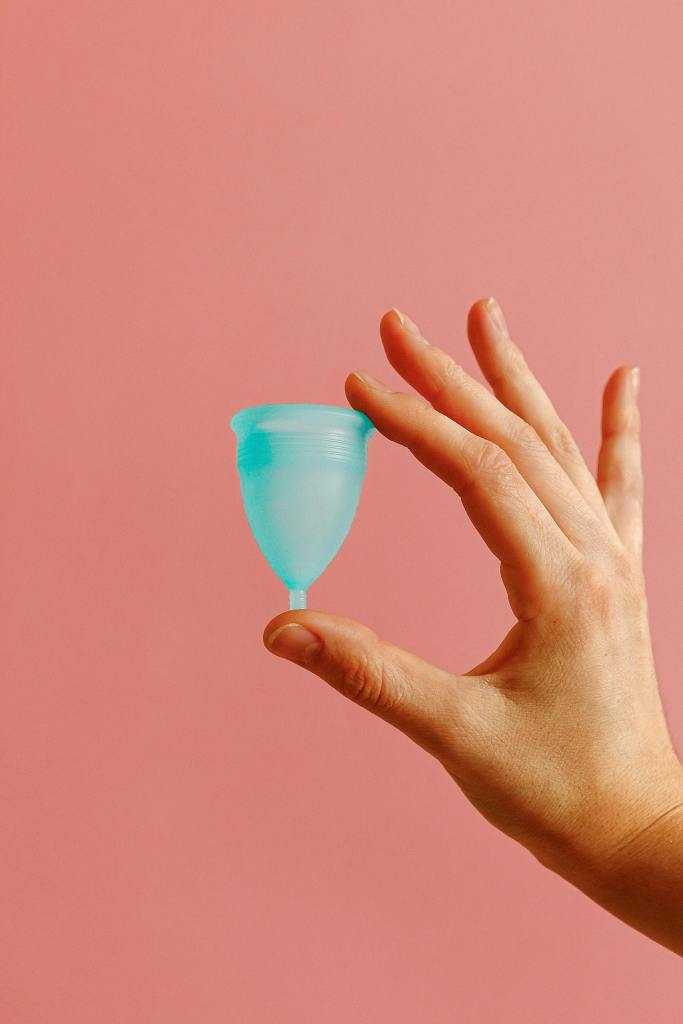
Menstrual Cups
A small, reusable silicone cup that collects menstrual blood inside the vagina.
Pros:
- Lightweight and reusable (low waste)
- Can last 8–12 hours between emptying, depending on flow
- Collects blood rather than absorbing it, reducing leaks when inserted correctly
- Can be sterilized and reused for the entire hike
Cons:
- Takes practice to insert and remove, especially if new to cups
- Some people experience leaks if fit isn’t perfect or if using an IUD
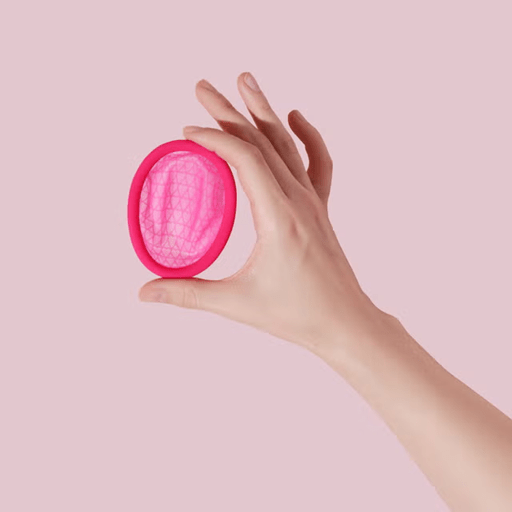
Menstrual Discs
A flexible, disposable or reusable disc that sits higher than a cup and covers the cervix.
Pros:
- Sits higher than cups, often more comfortable for post-childbirth bodies or those with IUDs
- Can be left in place for up to 12 hours
- Less risk of leakage if positioned correctly
- Easy to rinse and reuse during multi-day hikes
Cons:
- Can feel awkward at first; takes practice before the trail
- Slight risk of staining silicone over time
- Not as widely available as cups
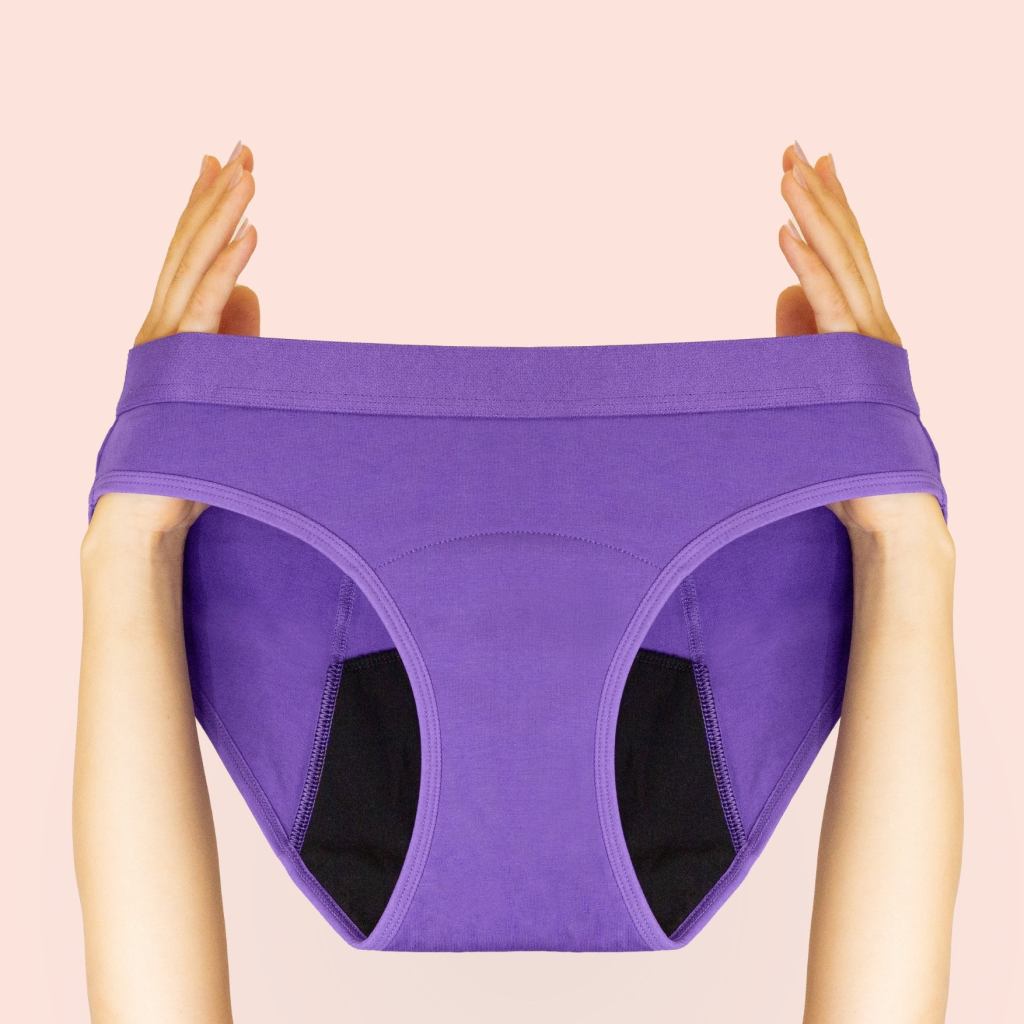
Period Underwear
Specially designed underwear with absorbent layers that hold menstrual flow.
Pros:
- Reusable and low waste
- Can be worn alone on light flow days or as backup with cups/discs
- Dries quickly if washed and hung in the sun
- Comfortable for sleeping and long days of hiking
Cons:
- Requires washing and drying regularly, which can be tricky in rainy conditions
- Absorbency varies by brand; may need multiple pairs for heavy flow
- Slightly heavier and bulkier than cups or discs for long hikes if carrying many pairs
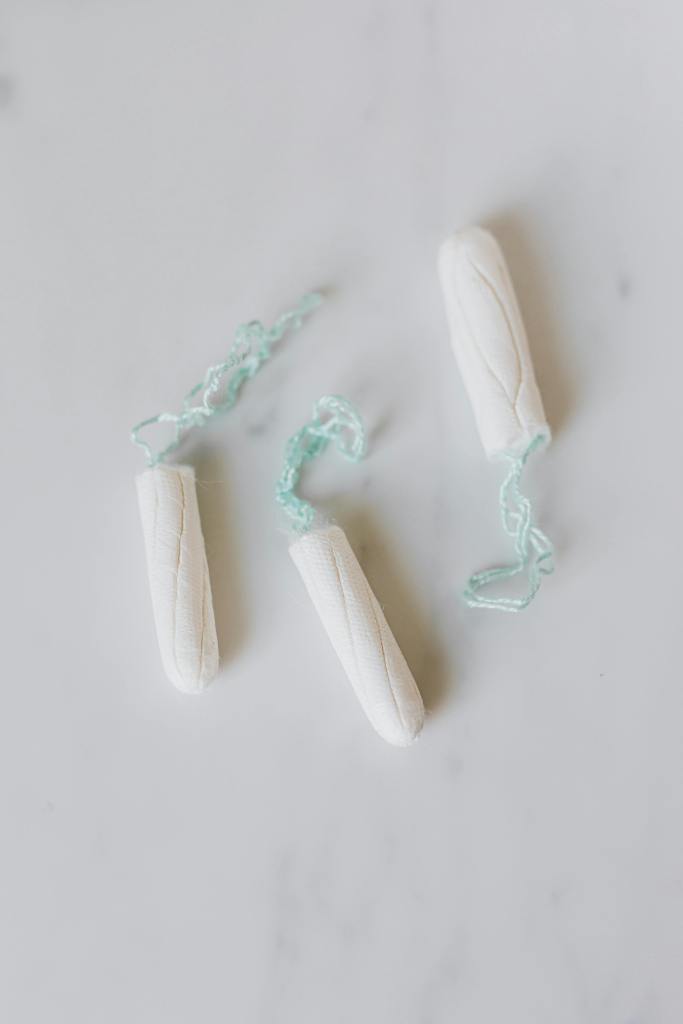
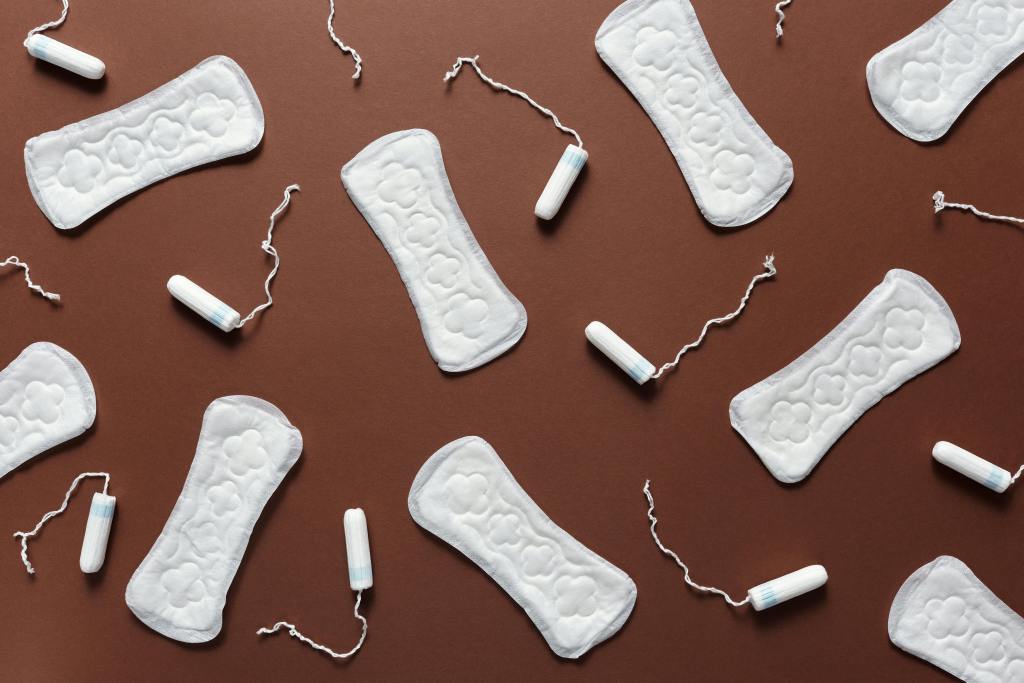
Tampons
Small, absorbent cylinders inserted into the vagina to absorb menstrual blood.
Pros:
- Familiar and widely available
- Easy to carry spares
- Can be used in combination with period underwear for added security
Cons:
- Creates disposable waste, which must be packed out responsibly
- Higher risk of leaks if not changed regularly
- Can be uncomfortable for some hikers, especially on multi-day treks
Staying Clean
Keeping menstrual products clean on Te Araroa is just as important as choosing the right gear. Poor hygiene can lead to infections or UTIs, which can derail your hike. Here’s what to know for each option:
- Menstrual Cups & Discs should be rinsed with clean, safe water at least twice a day and fully sterilized by boiling in water at the end of your cycle. If safe water isn’t available, wipe the cup with a clean tissue or unscented wet wipe, then rinse properly once you reach camp.
- Period Underwear must be rinsed daily with clean safe water and then wrung out and hung in the sun, which helps kill bacteria. Carry at least one backup pair.
- Tampons are single-use, so hygiene mostly comes down to hand washing and safe disposal. Used tampons should be stored in a sealed bag and packed out, as they don’t break down in nature.

Tips:
- Wash your hands or sanitize before and after handling menstrual products.
- Rinse reusable products in sterilised water away from natural waterways.
- Carry a small dry bag with soap, wipes, and spare underwear.
- For cups and discs, a quick rinse at least twice a day is usually enough.
- If you’re on heavier days, consider extra underwear at night or double layers to prevent leaks.
- Some hikers carry a small container of baby powder for chafing, which can help on hot or humid days.
Planning Your Supply
On Te Araroa, you’ll often face stretches of 3–7 days between towns or resupply points, which means you’ll need to carry everything you need for your cycle. Planning ahead will help you avoid stress and ensure you stay clean, comfortable, and safe.
Know Your Cycle
- Start by tracking your period before you leave. Knowing when it’s due helps you anticipate whether it will fall on a resupply stop or during a remote section.
- If your cycle is unpredictable, plan as if it could arrive anytime—carry at least one full period’s worth of supplies at all times.
Choose Your Main Product
- Decide whether you’ll use a menstrual cup, disc, period underwear, tampons, or a mix.
- Think about comfort, ease of cleaning, and how much weight and space your choice will add to your pack.
Test at Home
- Test it out at home for at least two cycles before relying on it in the backcountry.
- Get comfortable with the fit, insertion/removal, and cleaning.
Pack Backup Options
- Even if you’re committed to reusables, it’s smart to bring a small backup stash of disposables or an extra pair of period underwear.
- This way, if your cup leaks, your disc feels uncomfortable, or the weather doesn’t allow underwear to dry, you’ll still be covered.
Plan for Hygiene
- Pack a small hygiene kit (hand sanitizer, a collapsible cup or mug for boiling water, biodegradable soap, and ziplock bags).
- Remember that cups and discs should be sterilized in boiling water at the end of each cycle. Don’t rely on untreated stream water for cleaning, as it may contain bacteria.
- Double-bag used items in ziplocks until you reach a rubbish bin.
Calculate How Much to Carry
- You only need to carry enough for one cycle at a time.
- For disposables: Bring enough for your heaviest days, plus a couple of extras.
- For period underwear: Two to three pairs is usually enough—rotate and wash one while wearing the other.
- For cups/discs: Weight is minimal, but bring wipes or biodegradable soap for cleaning.
Leave No Trace
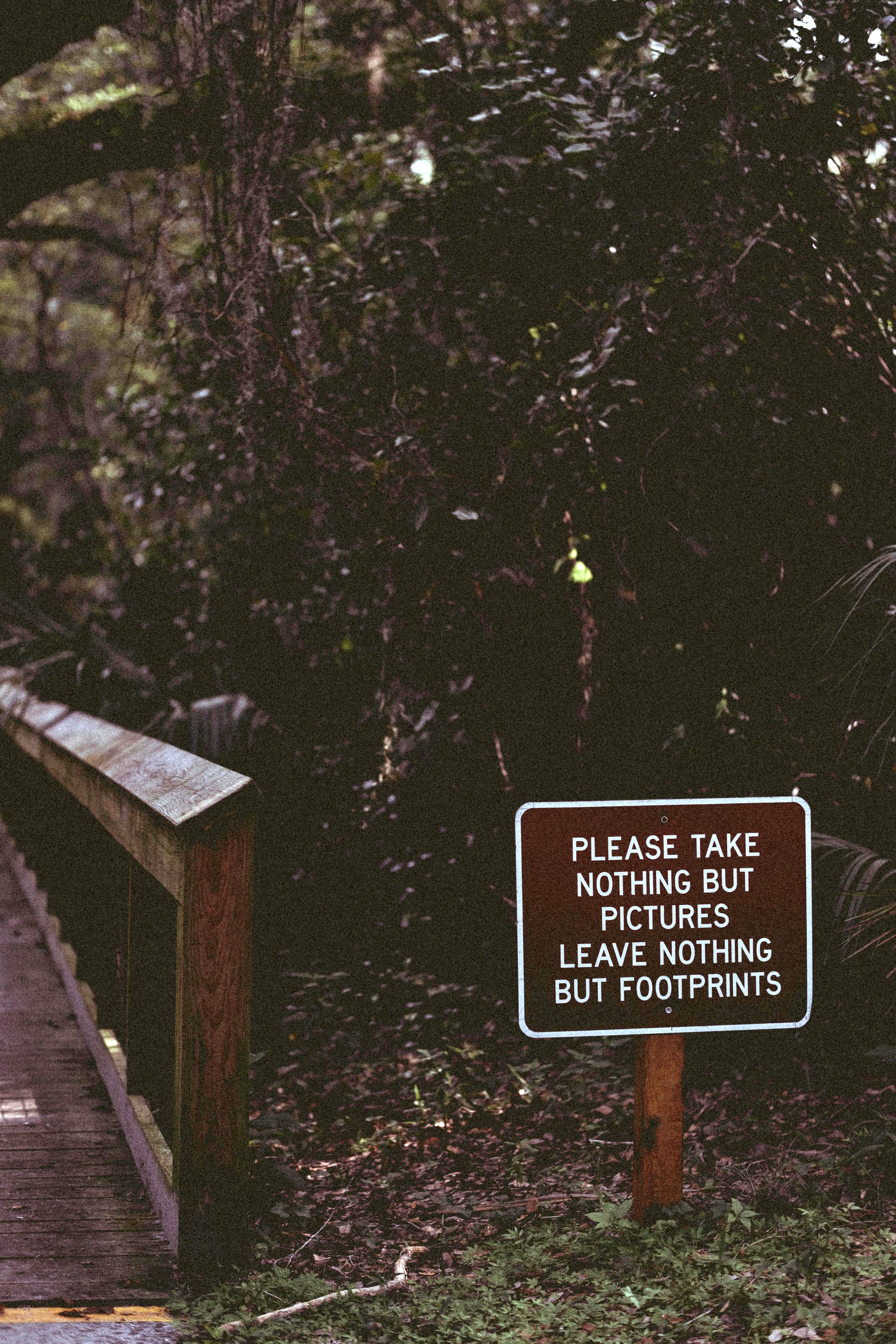
Managing your period on the trail also means managing your impact on the environment. The Te Araroa passes through fragile ecosystems, and keeping them clean is part of responsible hiking.
- Pack It Out – Tampons and pads must be carried out. Use ziplocks or a small dry sack to contain odor and keep things discreet.
- Use a Cathole – Empty menstrual cups or discs into a 15–20 cm cathole, at least 60 m from water sources and huts. Cover thoroughly.
- Don’t Rinse in Streams – Never rinse blood directly into waterways. Use a bottle of water over a cathole or wipe clean and pack the tissue out.
- Wash Smart – Clean hands with biodegradable soap 60 m from water, or use sanitizer. Hygiene helps you and the environment.
- Underwear Care – Rinse period undies away from streams, scatter wastewater into soil, and let them dry in the sun.
- Be Hut-Aware – Keep huts clean. Change or wash in toilets or outdoors—not near sinks or food prep areas.
Lean Into It
Periods on trail rarely go exactly as planned, so flexibility is key.
- Carry Extra – Even if your cycle is predictable, stress, diet, or exertion can throw it off. Always pack one or two extra supplies.
- Backup Options – Bring a mix (like a disc plus period underwear) in case your main method isn’t working.
- Cycle Shifts – Be prepared for lighter, heavier, or skipped periods—your body can change on long hikes.
- Talk About It – The more we share, the less awkward it becomes. Mentioning periods openly can help normalize them in trail communities.
- Be a Resource – If another hiker is caught short, offering a spare tampon or pad can make a huge difference.
Planning for surprises and keeping the conversation open makes life easier for you—and for others on the trail.
Trail Hygiene Kit Checklist
Carrying a simple hygiene kit can make managing your period on Te Araroa much easier and safer. Here are the essentials to include:
- Small Bottle of Baby Powder or Anti-Chafe Powder (optional): Helps with comfort and reduces irritation on long hiking days.
- Hand Sanitizer (small bottle): For cleaning hands before and after handling menstrual products.
- Biodegradable Soap (small travel size): Use only away from waterways for washing hands or rinsing period underwear.
- Ziplock Bags (2–3 sizes): Double-layer for carrying out used tampons or pads; smaller ones for keeping products organized.
- Collapsible Cup or Mug (heat-resistant): For boiling water to sterilize a menstrual cup or disc at huts or resupply stops.
- Quick-Dry Cloth or Small Towel: For drying hands or rinsed gear; microfiber works best.
- Spare Pair of Period Underwear or Regular Undies: Allows you to rotate while one pair is drying.
- Unscented Wet Wipes or Tissues: Backup for cleaning menstrual products when safe water isn’t available (pack these out).
 theaudaciouspath.com