
How to Deal with Mud
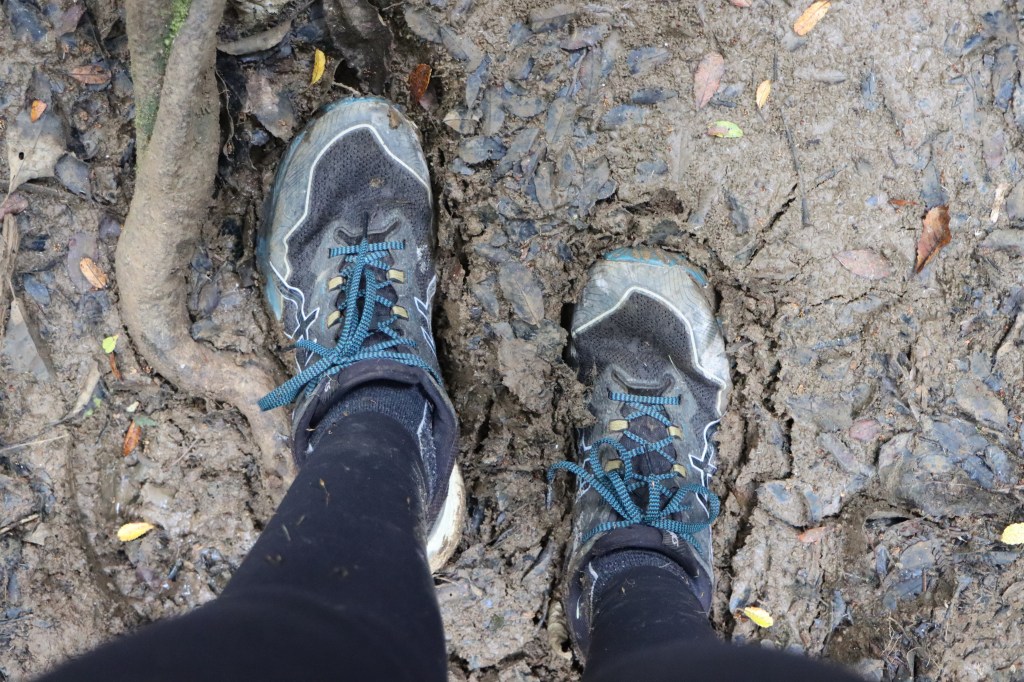
One of the biggest challenges of the Te Araroa Trail is the mud. In sections like Raetea Forest in Northland and Longwood Forest in Southland, hikers often find themselves wading through sticky, knee-deep bogs. It slows you down, makes camp life messy, and can test even the most determined walker. With the right preparation and mindset, though, mud becomes something you can manage—and even laugh about later.
Included On This Page:
Why Mud is Such a Big Deal
- Progress slows – a “4-hour section” can easily become 7–8 hours.
- Higher risk of slips and injuries on greasy roots and uneven terrain.
- Gear suffers – wet, muddy shoes and socks wear out faster.
- Morale dips – trudging through black sludge day after day can sap your energy.
Best Practices for Muddy Sections
Footwear
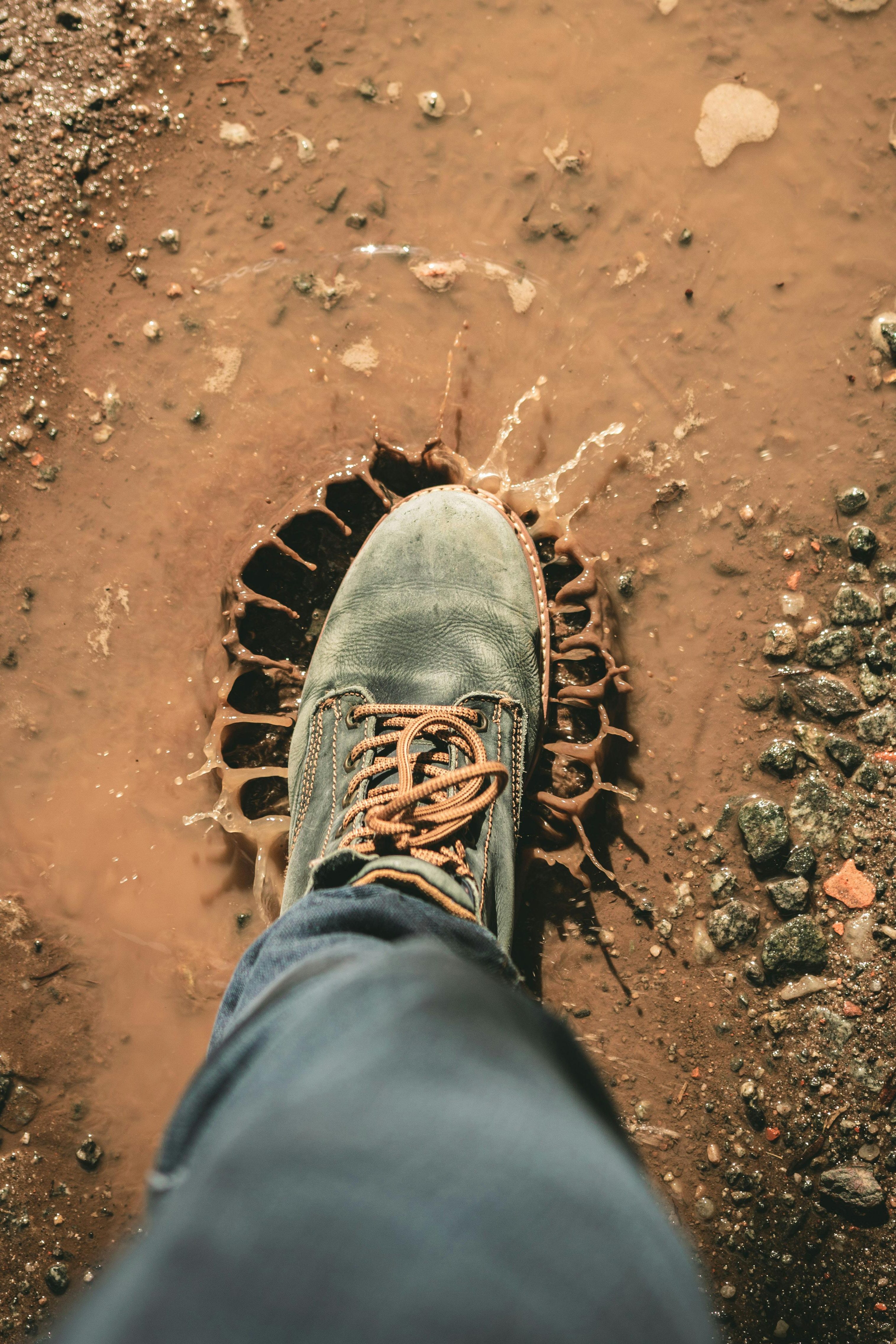
Most TA hikers recommend trail runners over boots. They’re lighter, drain better, and dry quicker. Look for:
- Durability – expect to replace your shoes at least once on the trail
- Aggressive tread for grip
- Non-waterproof uppers (Gore-Tex traps water)
Clothing & Gaiters
- Merino socks stay warm when wet and resist odor.
- Low gaiters keep out debris and make shoelaces easier to untie at the end of a long day.
- Dedicated camp/sleep clothes are essential – you’ll hike in mud-stained gear all day, then change into a clean, dry set at night.

Walking Techniques
- Step directly into the mud rather than trying to balance along the edges—this protects the track and reduces slips.
- Use trekking poles for stability and to check depth.
- Keep your pace steady; fighting through mud too aggressively only burns energy.
Cleaning & Camp Routines
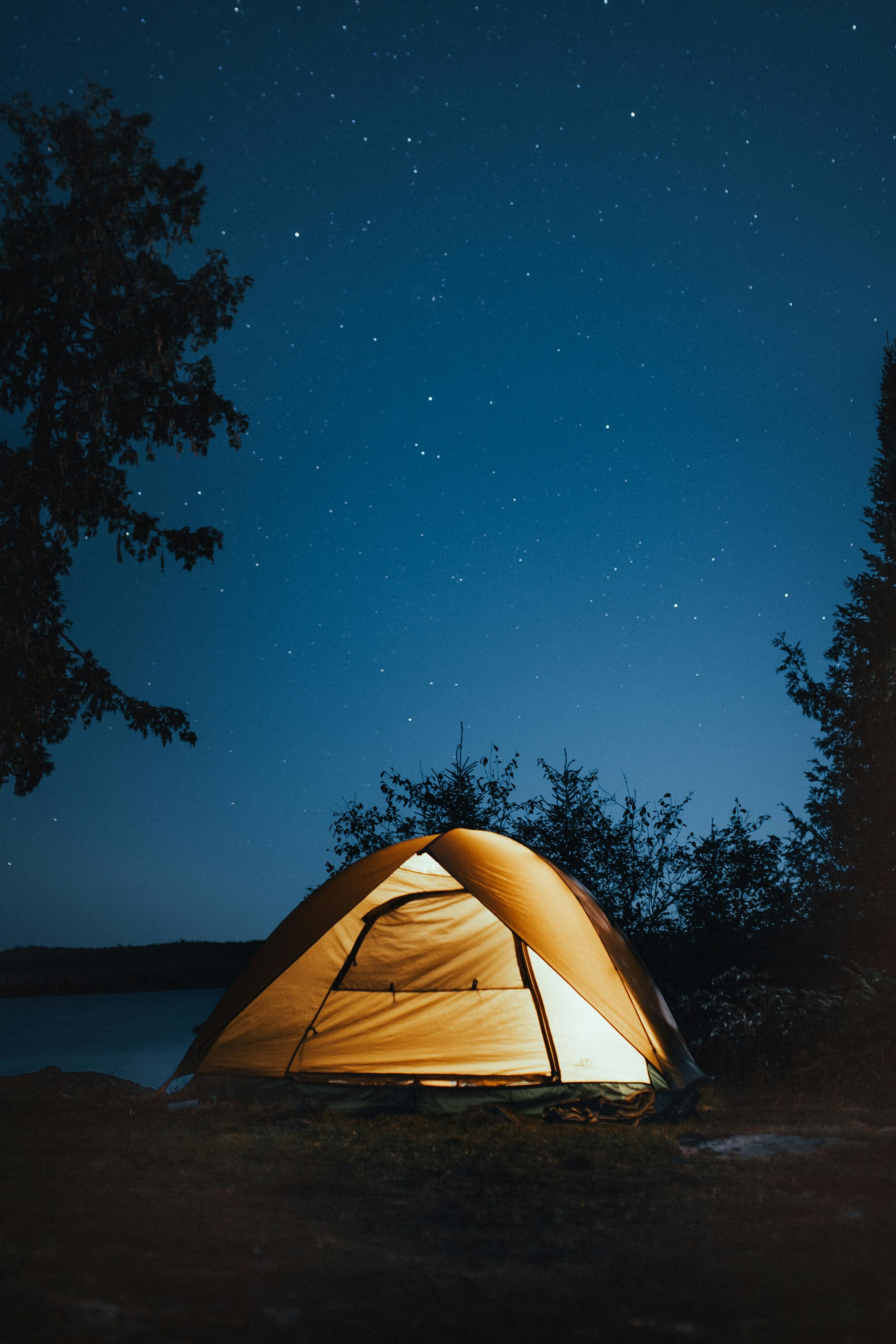
- Bring a light cloth or wipes to clean up mud at camp. Many hikers rinse socks and let them dry on the outside of their pack.
- Store your muddy tent in the outer mesh pocket of your pack so it doesn’t soil dry gear. Whenever you get a patch of sun, lay it out to dry.
- A lightweight groundsheet helps keep mud splashes from your tent fly off your sleeping area.
- Some hikers carry rainskirts or similar gear to use as a tent entry mat, keeping mud out of the vestibule.
- A small portable bidet or lightweight scrubber can help wash off caked mud at camp, making life a lot more comfortable.
- Always be mindful of water sources—save hut tanks for drinking and use streams or puddles for cleaning when possible.
Timing Matters
The time of year you hike can make a huge difference in how muddy the Te Araroa feels.

Spring (October–November)
Trails are often at their wettest. Northland forests like Raetea can be extremely muddy early in the season after winter rains. Expect slow progress.

Early Summer (December–January)
Conditions usually improve as the weather settles. Raetea, in particular, can be much drier by December, making it a more manageable (though still challenging) section.
Late Summer (February–March)
Generally the driest and most pleasant time for many forested areas. However, track wear from earlier hikers can still leave boggy patches.
Autumn (April–May)
Southland forests such as the Longwoods can be notoriously muddy at this time, with shorter daylight hours making them feel even tougher.
Tip:
- Southbound (Cape Reinga → Bluff): Starting in October or November means you’ll likely face very muddy conditions in Raetea Forest and other northern sections, but you’ll reach the South Island and the Longwoods before autumn rains make them worse.
- Northbound (Bluff → Cape Reinga): Beginning in summer (December–January) lets you tackle the Longwoods and other Southland forests in their drier months, but by the time you reach Northland (March–April), mud can build up again after late-season rains.
Mindset Matters: How to Stay Positive in the Mud
The mud on Te Araroa is not just a physical challenge—it’s a mental one. Staying calm and positive when your legs are covered in black sludge or your tent is splattered with muck can make the difference between misery and resilience. Here are some practical strategies to help build the right mindset:

Expect the Mud
Go into the trail knowing that mud is inevitable, especially in Raetea and the Longwoods. If you’ve already accepted it as part of the journey, it won’t feel like a nasty surprise when you sink knee-deep for the first time.
Reframe the Experience
Instead of thinking, “This is horrible,” try reframing it as part of the adventure. Many hikers later describe the muddiest days as the ones they remember most vividly. Think of it as a badge of honor—it means you’re walking Te Araroa, not a tidy city footpath.
Laugh at the Absurd
There will be times you’re covered in mud from head to toe, and the only sensible reaction is to laugh. Sharing these moments with fellow hikers can lighten the load and remind you that everyone is in the same boat (or swamp).

Set Small Goals
When you’re slogging through endless mud, the thought of “40 km to the next town” can feel overwhelming. Break it down: focus on “just get to that next ridge” or “another 30 minutes, then a snack.” Small wins keep motivation up.
Keep Comfort Rituals
Even when muddy, having small routines—like putting on clean sleeping clothes, brewing a hot drink at camp, or wiping down with a cloth—gives you something to look forward to and signals the end of the day’s struggle.

Distinguish Between ‘Dirty’ and ‘Dangerous’
It helps to accept that you’ll never be squeaky clean on trail. Mud on your legs and clothes is just “ambient dirt.” What really matters is avoiding “visceral dirt”—like mud near an open cut or around food. Knowing the difference helps you relax about the mess while still staying healthy.
Focus on the Reward
Mud often makes arriving at a hut, campsite, or town feel ten times sweeter. Keeping that thought in mind—“This shower will feel amazing”—can carry you through long muddy stretches.
Practice Gratitude
When you’re stuck in mud, take a moment to notice the birdsong, the forest air, or the fact that you get to do something so few people attempt. Gratitude reframes frustration into appreciation.
Tips:
A strong mindset won’t make the mud disappear, but it will make it easier to handle. If you can embrace the mess and see it as part of the story, you’ll not only survive the mud—you’ll come to cherish it.
Final Thoughts
Mud is part of what makes the Te Araroa Trail such a unique challenge. With the right gear, good camp systems, and a flexible mindset, you’ll find it’s something you can handle. In fact, the muddy slogs through Raetea and the Longwoods often become some of the most memorable stories of the whole trail.
 theaudaciouspath.com