
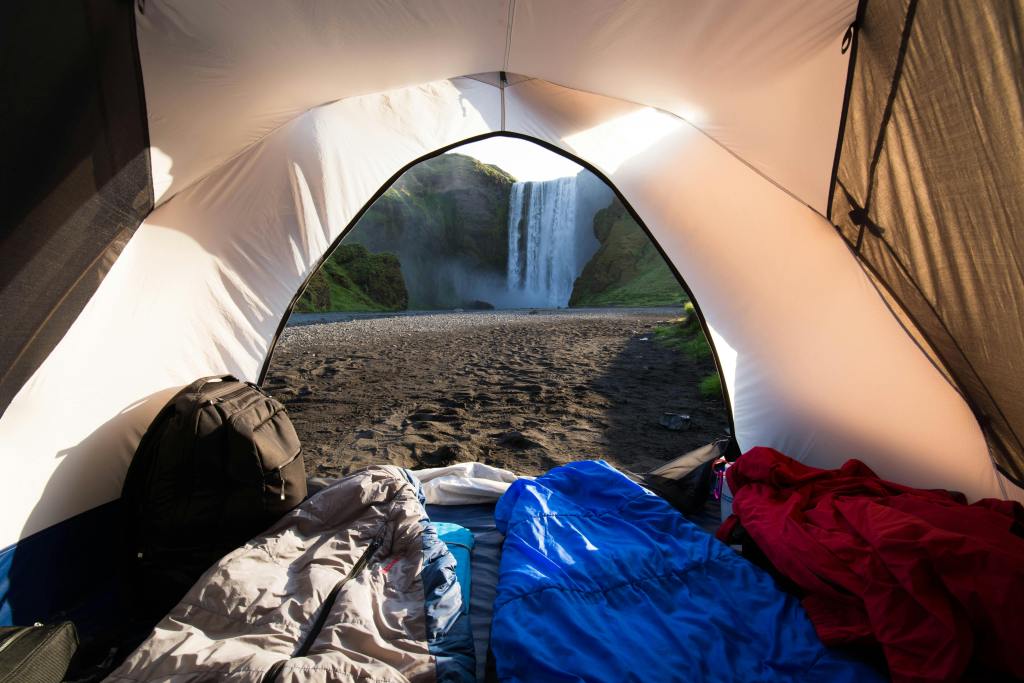
The Sleeping Bag
Please note: Some of these links are affiliate links, where I get a small percentage of the sale, which is at no extra cost to you. By using these links, it goes a long way in supporting this project. Thanks very much!
Sleeping Bags
Of course, you want the best ultralight sleeping bag so you can stay warm and cozy, while also not carrying around heaps of weight. Read below how to choose a tent.

Marmot Hydrogen Sleeping Bag (-1°C)
$899.00 NZD
Price
Warmth
Weight
The Marmot Hydrogen is one of the best ultralight options on the market. Made from 800-fill-power goose down with eco-friendly ExpeDRY water-repellent finish, this sleeping bag comes in at 720 grams. Designed for thru-hikers, the Marmot Hydrogen includes a durable water-repellent (DWR), which sheds light rain and snow and keeps you dry in temperatures as low as -5°C. Marmot has focused on durability and consistent heating by designing the sleeping bag to have curved baffles that prevent the down from shifting.
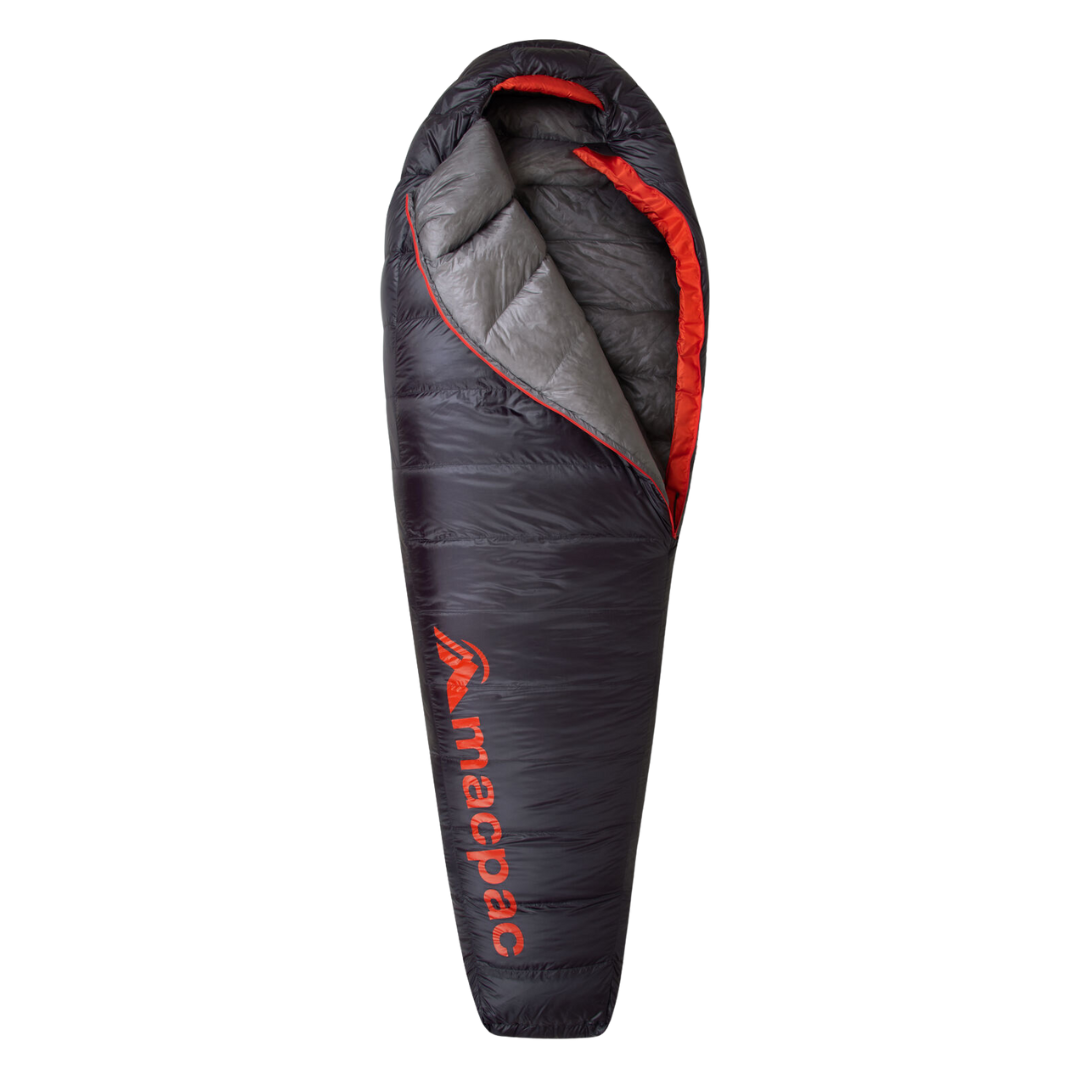
Macpac Dragonfly 400 Sleeping Bag (-5°C)
$699.99 NZD (often on sale)
Price
Warmth
Weight
The Macpac Dragonfly 400 is the best ultralight option offered by a New Zealand company. Made from ALLIED Feather + Down HyperDRY goose down, this sleeping bag comes in at 731 grams. Designed for New Zealand adventures, the Macpac Dragonfly 400 is suitable for 3 seasons, including a minimum temperature of -22°C. For those extra tall hikers, they offer a large version, both offered in a mummy style with a zipper that only runs 1/3r the way down to save on weight. This sleeping bag is durable, light, and a great way to support NZ suppliers!
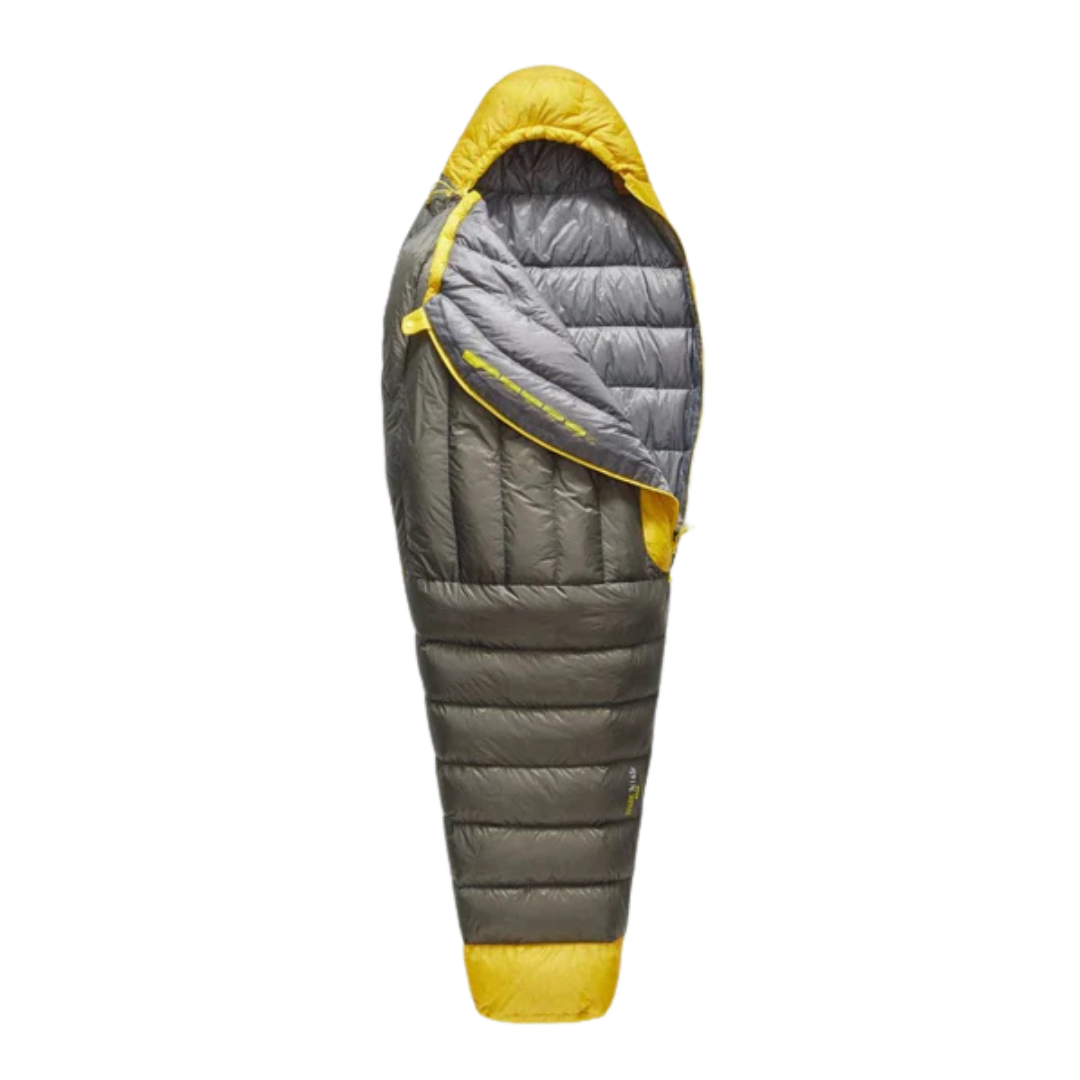
Sea to Summit Spark Down Sleeping Bag (-1°C)
$649.99 AUD
Price
Warmth
Weight
Sea to Summit Spark Down Sleeping Bag (-1°C) is the best model if your number 1 goal is to save weight. Compared to other models, Sea to Summit use a higher loft rating of 850+, which keeps this bag lightweight, yet warm. They have used all the tricks in the book, from half zippers to box baffles, to technical hoods to keep the warmth in. This well-designed sleeping bag is reported by users to be conservative on temperatures and able to be packed down tight for hikers keeping their bags to a minimum weight.
How to Choose a Sleeping Bag
This is a general overview, but it is recommended that you do your own research.
Weight
Ideal weight: ~500-700grams
Ideally, you’ll want your sleeping bag to weigh less than 700 grams. At the lighter end, you’ll get sleeping bags weighing around 363 grams, but then you get a higher temperature rating of -1°C. At the slightly heavier range, you’ll get sleeping bags at 731 grams, but able to handle -5°C and a max temperature of -22°C. If you’re aiming to get a sleeping bag rated at -5°C and also less than 500 grams, you should expect to pay over 1,000 NZD.
Temperature Rating
Ideal rating: -1 to -7°C (20-30°F)
A sleeping bag’s temperature rating tells you in which temperatures the sleeping bag is able to keep the average person warm. For Te Araroa, you’ll need a bag that is rated between -1°C to -7°C (20-30°F). Note that metabolism and age can have a big impact on how warm a sleeper you are, and cold sleepers may want to consider a sleeping bag liner for extra warmth (and hygiene!).
Loft Rating
Ideal rating: 750 or higher
The loft rating of a sleeping bag tells you how well its filling traps air. It’s typically used when referring to down. A higher rating indicates it has a better thermal efficiency and fluffiness (can hold more heat for less weight). Note that down sleeping bags need to be fluffed to work properly, and they absolutely should never get wet.
Material
Recommended material: Down
Lightweight sleeping bags are typically made from either down or synthetic materials. Typically speaking, down sleeping bags are lighter and can compress down smaller, but they are also more expensive and cannot get wet. Alternatively, synthetic bags have more moisture resistance, dry faster (and can even keep you warm when wet), are cheaper, but a lot bulkier and heavier.
Fit
According to your body shape!
When choosing a sleeping bag, you should consider three things: its length, shape, and fit. The length of your sleeping bag should be slightly longer than your height to allow you flexibility to move around. A mummy shaped sleeping bag will help keep the weight down and also keep you warmer, but some people find them too restrictive to sleep in. Alternatively, a rectangle shaped sleeping bag will be heavier, but will allow you plenty of space to adjust position while you sleep. And finally, you want to make sure that the fit isn’t too snug. If the sleeping bag is too snug or too short, then it can actually compress the insulation, reducing its thermal properties.

 theaudaciouspath.com