
The Backpack
Please note: Some of these links are affiliate links, where I get a small percentage of the sale, which is at no extra cost to you. By using these links, it goes a long way in supporting this project. Thanks very much!
Women’s Backpacks
Your backpack is one of the top three most important items you will carry. It will carry all your gear and keep it dry, while not breaking your back in the process. Read below how to choose lightweight hiking backpacks.
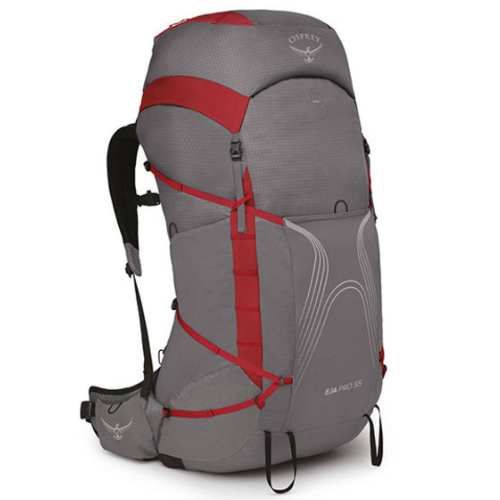
Osprey Women’s Eja Pro 55 Ultralight Backpacking Pack
$289.95 USD
Price
Durability
Weight
The Osprey Eja Pro are considered the most comfortable lightweight pack out there for its carrying class, with heaps of design features solely for comfort. It sits at a weight of 930 grams and can carry up to 30lbs (13.6kg). The NanoFly™ ripstop material with DWR treatments makes this pack durable but also very water resistant. This pack is one of the most common seen on any long-distance hiking trail.

Macpac Harper 50L Women’s Hiking Backpack
$349.99 NZD
Price
Durability
Weight
Macpac is considered one of the top providers for outdoor gear in New Zealand, and this bag does not disappoint with a weight of 740-1150 grams depending on load capacity. The 81% Recycled Nylon Ripstop material makes this pack both durable and lightweight, and also able to handle a high carrying capacity of up to 13-16kg. Numerous well-placed pockets and features make this pack a top pick for walking Te Araroa or any other long-distance through hike.
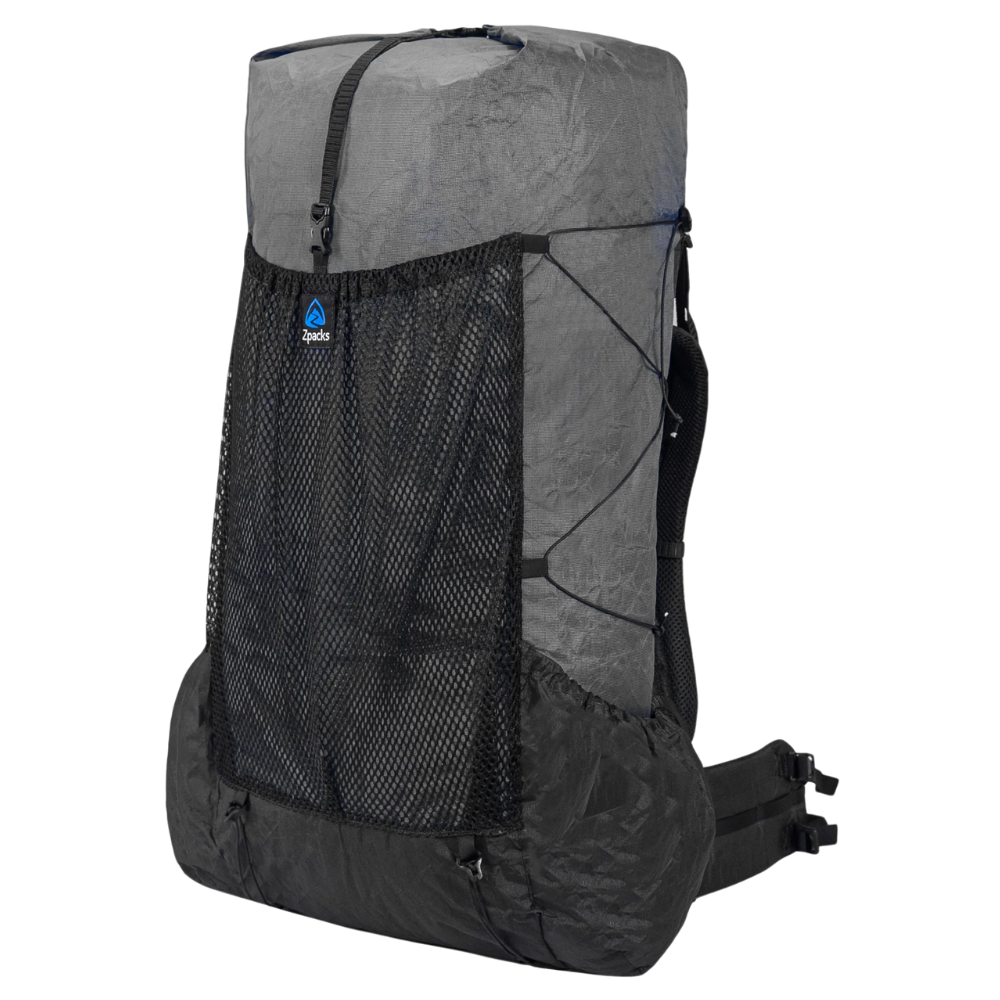
Zpacks Arc Haul Ultra 40-70 litre Backpack
$399.00 USD
Price
Durability
Weight
The Zpacks Arc Haul Ultra are considered one of the best on the market for through hikers, with a weight of 566-641 grams depending on bag capacity. The Ultra 100X material makes this pack more durable than comparably light packs, and also able to handle a high carrying capacity of up to 40lbs. The pack is waterproof and seam sealed, making it ideal for New Zealand’s weather.
Men’s Backpacks
Your backpack is one of the top three most important items you will carry. It will carry all your gear and keep it dry, while not breaking your back in the process. Read below how to choose a backpack.
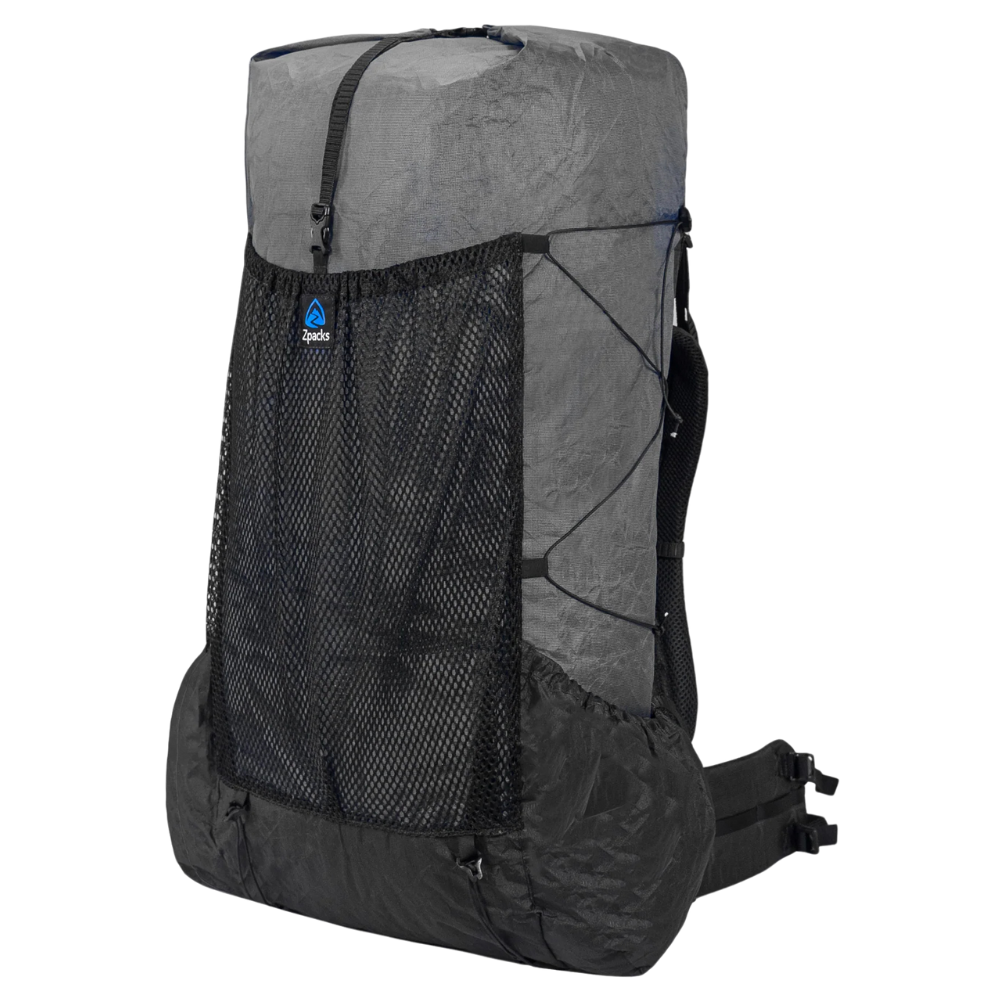
Zpacks Arc Haul Ultra 40-70 litre Backpack
$399.90 USD
Price
Durability
Weight
The Zpacks Arc Haul Ultra are considered one of the best on the market for through hikers, with a weight of 566-641 grams depending on bag capacity. The Ultra 100X material makes this pack more durable than comparably light packs, and also able to handle a high carrying capacity of up to 40lbs. The pack is waterproof and seam sealed, making it ideal for New Zealand’s weather.

Macpac Hesper 52L Hiking Backpack
$349.99 NZD
Price
Durability
Weight
Macpac is considered one of the top providers for outdoor gear in New Zealand, and this bag does not disappoint with a weight of 740-1150 grams depending on load capacity. The 81% Recycled Nylon Ripstop material makes this pack both durable and lightweight, and also able to handle a high carrying capacity of up to 13-16kg. Numerous well-placed pockets and features make this pack a top pick for walking Te Araroa or any other long-distance through hike.
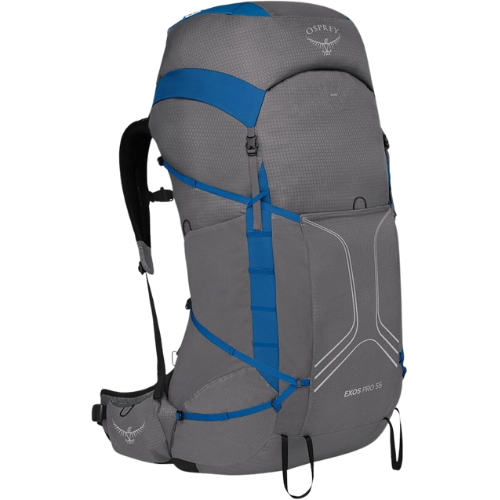
Osprey Men’s Exos Pro 55 Ultralight Backpacking Pack
$290.00 USD
Price
Durability
Weight
The Osprey Exos Pro are considered the most comfortable lightweight pack out there for its carrying class, with heaps of design features solely for comfort. It sits at a weight of 930 grams and can carry up to 30lbs (13.6kg). The NanoFly™ ripstop material with DWR treatments makes this pack durable but also very water resistant. This pack is one of the most common seen on any long-distance hiking trail.
How to Choose a Lightweight Hiking Backpack
This is a general overview, but it is recommended that you do your own research. I have linked websites I have found useful.
Weight
Ideal weight: ~1kg
Ideally, you’ll want your bag to weigh around 1kg. At the lighter end, you’ll get packs weighing around 600 grams, but in the $400USD range. At the slightly heavier range, you’ll get packs at 1170 grams, but in the $349.99NZD (~$202USD) range.
Space Capacity
Aim for 50-55 litres.
Too much space, and you’ll end up carrying too much. Ideally, you want no more than 1/5 of your total body weight or 15kg, whichever is smaller. A 50-55 litre backpack will ensure you keep in this weight but will allow you to carry all your essentials and consumables.
Rain Protection
PU is the most common.
Most fabrics are made highly water resistant with a coating, either polyurethane (PU), or polyethylene (PE). PU and PE are considered the low-end coatings, as they degrade from long water or UV exposure, and can actually weaken fabrics. Ultra Tear Strength (UTS) is actually PU but with a special formula specifically designed to increase the strength of the fabric and be more resistant to water. Overall, though, Silicone will be the strongest.
Your pack may also use a durable water repellant (DWR), but this does degrade over time and will need to be reapplied.
Read more about waterproofing fabric here.
Durability / Denier
~100D for main pack, but often higher for high-tear spots
The denier of a backpack fabric indicates the thickness and strength of its fibers, which in turn determines the durability of the backpack. A higher denier refers to a thicker thread, but it can also mean more weight. Note that backpacks often also incorporate an additional ripstop pattern or laminate to increase durability. Denier is noted by a # and then “D” (e.g 10D). People tend towards Nylon fabrics, but polyester is equally capable, just in different ways. For example, nylon is stronger than polyester, but not as UV resistant. Nylon will also sag in the rain, whereas polyester won’t.
Comfort
Osprey Exos or Eja
Pay attention to the width, thickness and placement of padding on shoulder and belt straps, airflow between the pack and your back, small front pockets to store snacks, and easy water access. These little things can make your day that much better after 25 kms of hiking!
 theaudaciouspath.com